From the outside, the Sikh Temple in Limbe appears calm and ordinary. Step inside during Vaisakhi, though, and the atmosphere shifts. Vaisakhi is a major cultural and religious festival in India, marking the harvest season.
The celebration forms part of Vaisakhi, also known as Baisakhi, an important moment in the Sikh calendar observed annually between April 13 and 14, marking renewal, harvest and the Punjabi New Year.
| WWW.CHOSIKH.COM
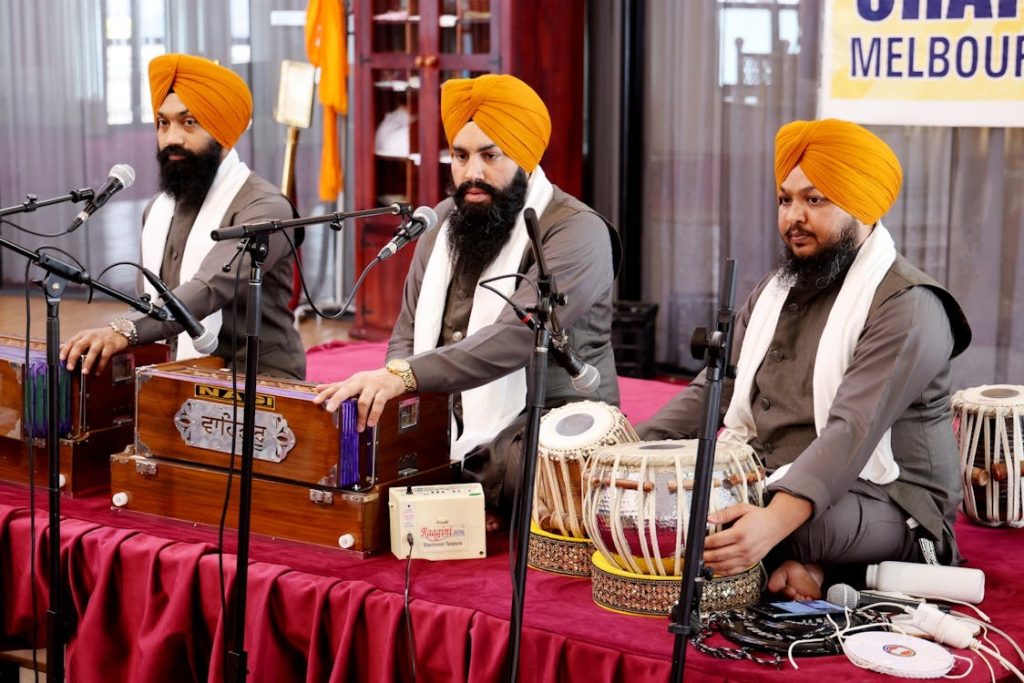
This is more than a gathering. It is a space where music becomes devotion, and where faith is expressed in sound.
The rhythmic beat of the tabla and the gentle melody of the harmonium fill the temple hall, setting a tone that is both soothing and deeply spiritual.
The music rises and falls, guiding worshippers into a shared moment of reflection.
As the singing continues, those just entering the temple must remove their shoes, cover their heads, and walk forward barefoot.
One by one, they bow before the Guru Granth Sahib (the eternal and sovereign scripture of Sikhism, regarded as the final Guru by Sikhs) —a gesture of humility and submission, symbolising respect for the word of God.
At the centre of it all is kirtan—the singing of hymns drawn from the Guru Granth Sahib.
The verses, recited in Punjabi and other Indian traditional languages, carry meanings preserved across generations.
Some members of the Sangat softly join in singing while others remain still in silent prayer. Yet all are connected through the same rhythm.
Seated behind the tabla is Tejinder Singh, the long-bearded temple’s priest whose presence reflects years of devotion.
His hands move steadily across the two drums, producing a layered sound that anchors the hymns. He says he has been playing the drums for over 50 years.
For Tejinder, this is more than music.
“When I play, each beat is part of prayer. The two drums speak, and through that, I feel connected to Waheguruw [wonderful Lord in Sekhism],” Tejinder says.
He explains that learning kirtan and the tabla is a journey shaped by discipline and devotion, one that goes beyond technique into spiritual understanding.
“Kirtan is service. It is how we express our faith and bring people together,” he adds.
In Malawi, this year’s event was held on April 19, and brought together Vaisakhi celebrations with the unveiling of a bust of Maharaja Ranjit Singh, the founder and first maharaja of the Sikh Empire, who ruled from 1801 until his death in 1839.
The Sikh presence in Malawi dates back to around 1874, when members of the community arrived during the colonial period through the King’s African Rifles.
Their role later expanded into infrastructure development, particularly railway construction, where Sikh engineers contributed to projects across East Africa, including Malawi.
For many Hindus and the wider Indian community, figures like Ranjit Singh represent shared values—unity, tolerance, and cultural pride.
In diaspora communities such as Malawi’s, such moments become a way of reinforcing identity and connection across different Indian traditions.
Sikh Association of Malawi chairperson Manwinder Singh described the Sikh leader as a unifier and a symbol of inclusive leadership, whose reign was marked by respect for all religions and communities.
That legacy, he noted, resonates beyond the Sikh faith.
Beyond the prayers and reflection, the gathering extended into fellowship.
Worshippers later shared a communal meal, served on metal trays.
The spread was simple yet rich: soft rice paired with a lentil-based curry, warm puri bread stacked in layers, colourful crunchy snacks on the side, and a serving of yoghurt to balance the spices.
The meal, offered to all, reflected the Sikh tradition of sharing food in equality—where everyone, regardless of background, sits and eats together.
Indian High Commissioner Amararam Gujar took part in prayers.
He said in an interview that the celebrations also reflect the long-standing cultural and historical ties between India and Malawi, which continue to be strengthened through community and development cooperation.
He said: “The presence of the Sikh community in Malawi continues to symbolise a shared heritage dating back to the colonial era.”
Blantyre City Mayor Jomo Osman, who also attended the event, highlighted the broader value of cultural gatherings, saying that blending Indian culture with local communities promotes business relationships, creates opportunities, and supports economic growth..
He said: “Such events foster partnerships and help attract investment into the city.”